


Love Bug Season in Houston: The Biological Threat to Your Exotic Paint
In Southeast Texas, the arrival of spring and late summer brings a familiar, frustrating sight: the "Love Bug." While these insects are harmless to humans, they are a catastrophic biological threat to a luxury vehicle's clear coat. Within 24 to 48 hours of impact, the remains of these insects begin to decompose, releasing highly acidic enzymes that literally "eat" into your paint. If your vehicle is sitting in the Houston sun with a front bumper covered in Love Bugs, you aren't just looking at a mess—you are looking at permanent chemical etching.
At Major Detailz, we provide a "meticulous" Love Bug Restoration and Prevention service. We understand that "investment protection" in Houston requires immediate, specialized chemistry. Here is how we defend your exotic car from this seasonal swarm.

1. The Science of the "Acid Burn"
When a Love Bug impacts your vehicle at highway speeds on the Grand Parkway or I-10, it creates a localized acidic environment. As the sun bakes the remains, the pH level drops significantly, causing the clear coat to soften and "crater." A standard car wash often uses abrasive brushes that can't dissolve the proteins, leading to "ghosting"—visible outlines of the insects even after they are removed. Our concierge service utilizes protein-dissolving enzymes that break down the organic matter without the need for aggressive scrubbing.

2. Safe Extraction: Avoiding Micro-Marring
Most DIY attempts to remove bug splatter involve "scrubby" sponges or harsh chemicals that strip the paint's natural oils. This leads to micro-marring and a dull finish. Major Detailz uses a multi-stage decontamination process: a pre-soak with high-lubricity foam, an enzymatic treatment, and a "meticulous" hand wash. This ensures that every trace of the biological threat is removed while maintaining a "pristine condition" finish.

3. The Ceramic Shield: Your Best Defense
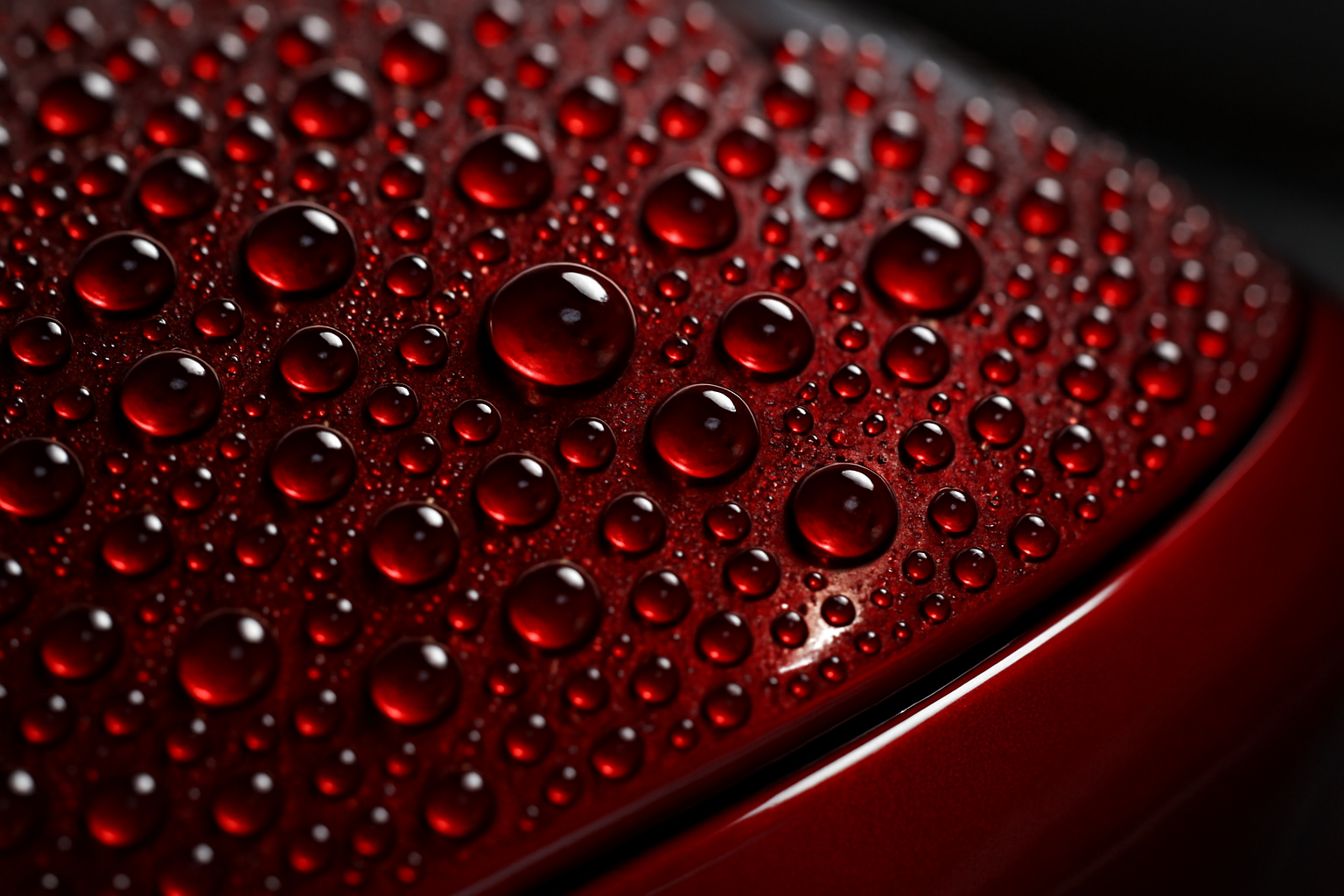
The best way to survive Love Bug season is to prevent the "bond." We highly recommend a professional ceramic coating for any vehicle frequenting the Katy or Cypress areas. The ultra-slick surface of a ceramic coating makes it nearly impossible for the acidic enzymes to penetrate. Instead of etching the paint, the bug remains sit on top of the coating and can often be rinsed away with a simple hose, providing the ultimate "investment protection."

4. Radiator and Intake Preservation
A heavy swarm doesn't just hit your paint; it clogs your radiators and air intakes, which can lead to overheating in the Houston heat. Part of our "major details" includes a careful purge of your front-end cooling components, ensuring your engine breathes as clearly as your paint looks.

Concierge Restoration for the Houston Swarm
Don't let a seasonal swarm devalue your vehicle. Major Detailz brings a specialized "bug-detox" unit to your driveway in Sugar Land, Katy, or Cypress. We handle the chemistry and the grit so your car remains a masterpiece.
Contact Major Detailz today to schedule your Love Bug Restoration and Protective Coating.


