




The Bug Splatter Burn: Why Texas Highway Insects Destroy Clear Coat in Summer
Summer in Houston means road trips. Whether you are taking the family SUV out to the Hill Country, driving your sports car to Austin, or towing the boat down to Galveston, highway driving is a summer staple. However, blasting down I-10 or Highway 290 at 75 mph turns the front of your luxury vehicle into a high-speed graveyard. When you finally pull into your driveway in Cypress or Katy, your bumper, grille, and side mirrors are plastered with thick, dried bug splatter. If you think this is just a cosmetic issue that can wait until your next car wash, you are putting your factory clear coat in serious jeopardy.
At Major Detailz, we provide the Highway Decontamination Protocol. We understand that insect impacts are essentially localized chemical spills. Here is the science behind why bug guts destroy paint and how we safely neutralize the threat before it becomes permanent.

1. The Acidic Anatomy of a Bug Strike
When an insect impacts your vehicle, its exoskeleton shatters, releasing a mixture of organic proteins, blood, and highly acidic digestive fluids directly onto your clear coat. Some insect species, like the infamous "lovebugs" that plague the Gulf Coast, have body fluids with incredibly low pH levels. The moment this acidic fluid makes contact with your paint, a chemical reaction begins. It starts eating away at the protective polymers of your clear coat, exactly like a localized drop of battery acid.

2. The Sun-Baked Etching Effect
The acidic nature of the bug is bad, but the 100-degree Texas sun makes it catastrophic. When you park your bug-covered vehicle outside in The Woodlands, the intense heat causes the pores of your clear coat to expand. The hot paint acts like a sponge, absorbing the acidic proteins deep into its structure. When the paint cools, it shrinks and traps the acid inside. This creates permanent, cloudy craters known as "etching." Once etching occurs, no amount of washing will fix it; it requires aggressive, multi-stage machine polishing to level the paint and remove the crater.

3. The Danger of the Gas Station Squeegee
When drivers stop for gas and see a ruined bumper, their first instinct is to grab the communal squeegee and the blue water from the pump island. This is a massive detailing sin. Insect exoskeletons are hard and abrasive. When you use a stiff sponge or a paper towel to scrub the dried bugs, you are literally grinding those abrasive shells directly into your paint. You might remove the bug, but you will leave behind a web of deep, permanent swirl marks. At Major Detailz, we use zero-friction, enzymatic bug melters. We spray the front clip with a specialized chemical that physically digests the organic proteins, allowing us to simply rinse the mess away without ever scrubbing the paint.

4. The Ultimate Shield: Ceramic Coating and PPF
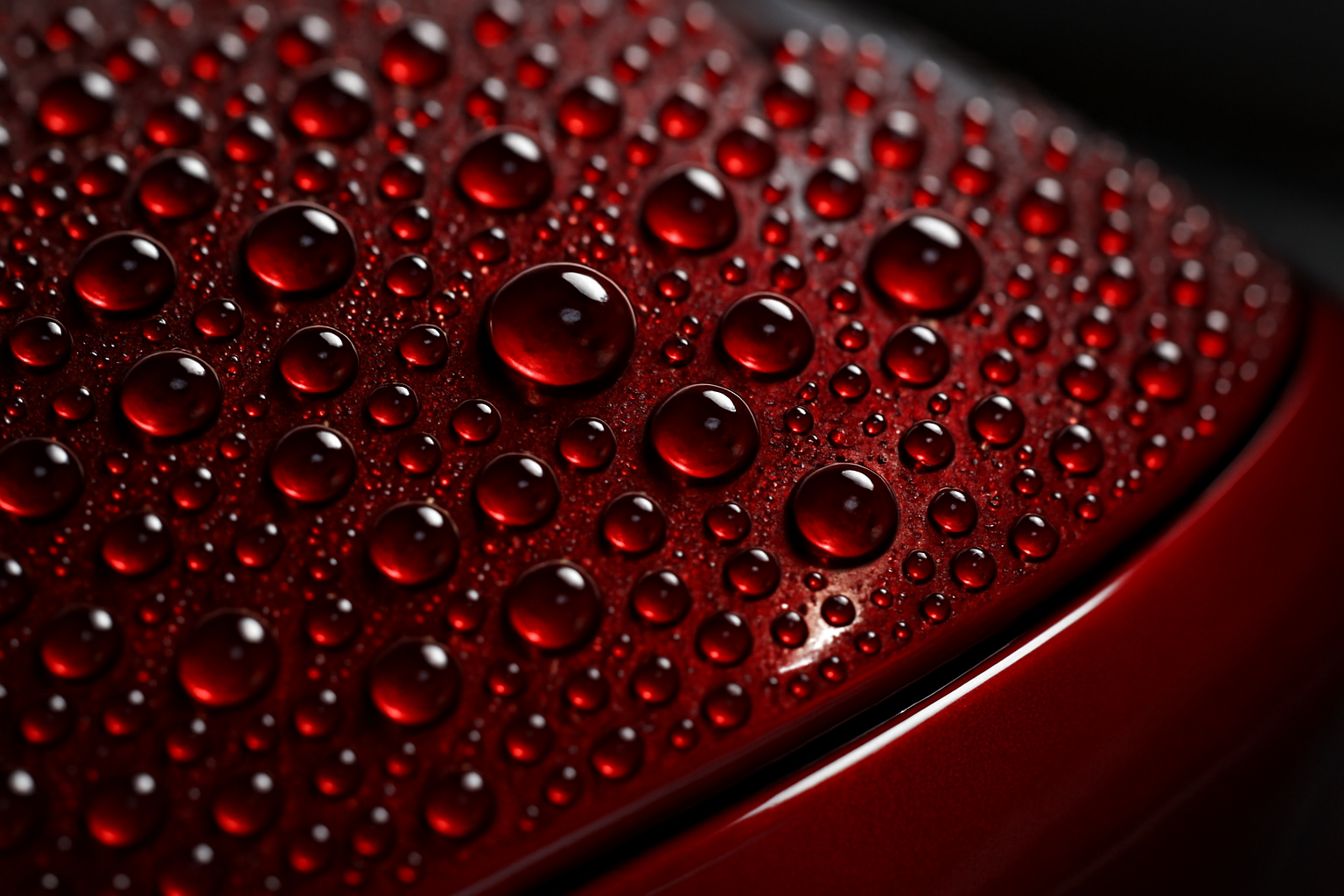
If you take frequent road trips, you need a proactive defense. Traditional carnauba wax melts in the summer sun and offers zero chemical resistance against acidic bug guts. The ultimate solution is a Ceramic Coating or Ceramic-Infused Paint Protection Film (PPF). A professional SiO2 coating creates an ultra-slick, hardened barrier over your bumper. Because the surface tension is so high, the bugs cannot molecularly bond to the paint. When you return home, a simple touchless wash or a quick detail spray is all it takes to wipe the splatter away effortlessly, completely saving your underlying clear coat.

Enjoy the Drive, We'll Handle the Bugs
Your road trip should be about making memories, not stressing over your paint. Major Detailz brings a mobile decontamination and paint protection laboratory directly to your driveway in Katy, Cypress, or The Woodlands. We neutralize the acid and armor your front bumper for the miles ahead.
Contact Major Detailz today to schedule a Highway Decontamination and Ceramic Coating Assessment.


