



The Leather Illusion: Why Your Steering Wheel is Shiny (And How to Safely Clean It)
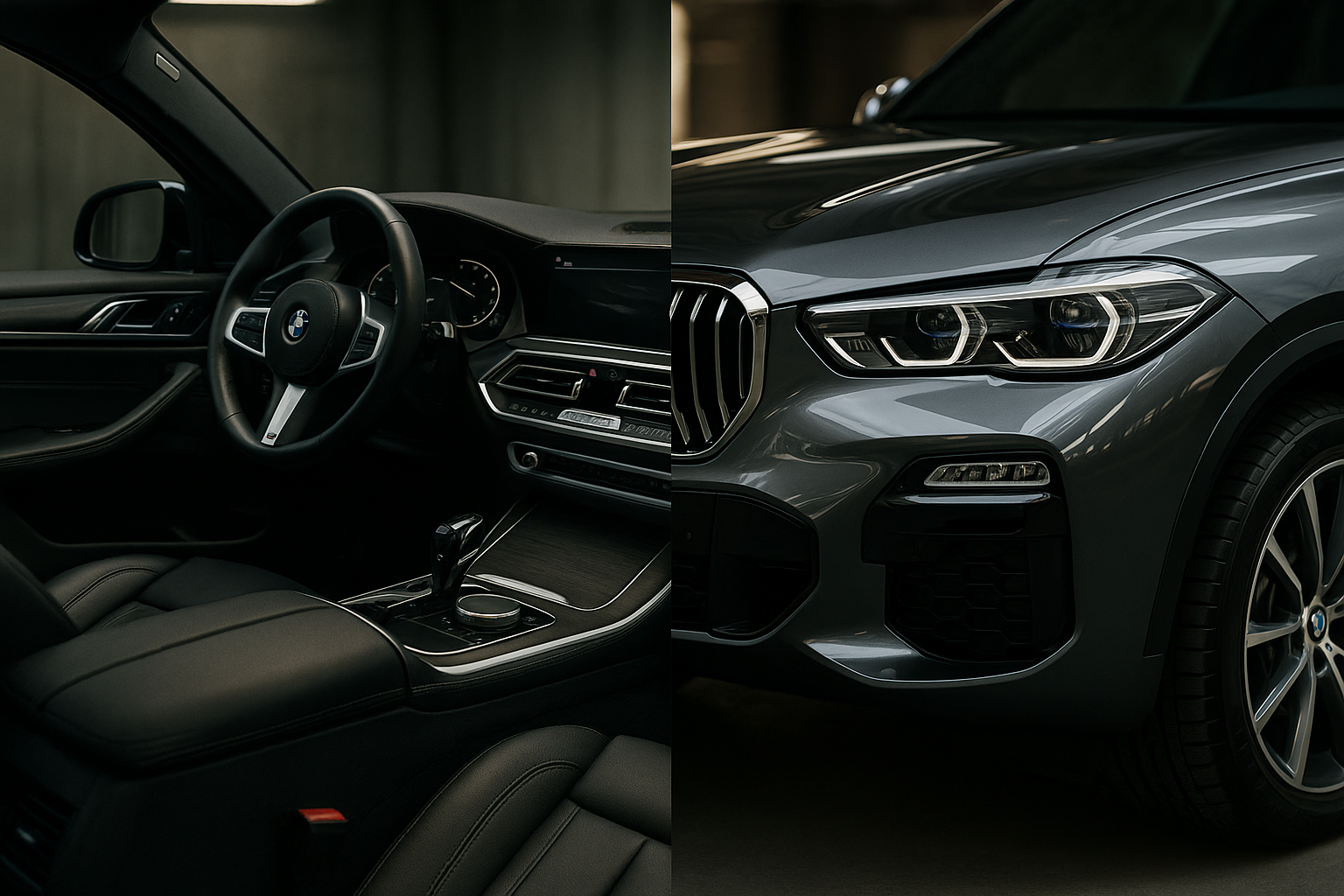
If you drive a luxury vehicle in River Oaks or West University, take a close look at your leather steering wheel and the driver's seat bolster. Are they gleaming with a slick, shiny finish? For decades, the auto-care aisle has sold us the lie that shiny leather is healthy, conditioned leather. In the world of high-end automotive upholstery, the exact opposite is true. That shine is not a sign of luxury; it is a layer of embedded body oils, sweat, and dirt that has been polished to a gloss by the daily friction of your hands and clothing.
At Major Detailz, we specialize in authentic interior restoration. Factory-new automotive leather (whether it’s Nappa, Merino, or standard coated leather) has a distinct, soft, matte finish. Here is the science behind the "Leather Illusion" and how to safely return your cabin to its original state.

1. The Anatomy of Automotive Leather
Unlike a raw leather saddle, modern automotive leather is heavily processed and coated. It features a pigmented dye layer topped with a clear, urethane topcoat—very similar to the clear coat on your exterior paint. This topcoat protects the dye from UV fading and friction. When your steering wheel gets shiny, it means your natural skin oils have built up on top of this urethane layer. As you slide your hands over the wheel every day on your commute, you are essentially "buffing" those oils into a greasy, high-gloss film.

2. The Danger of "Magic Erasers" and Household Cleaners
When owners finally realize their wheel is dirty, they often reach for the worst possible tools: dish soap, heavy alkaline all-purpose cleaners (APCs), or melamine sponges (like the Magic Eraser). A melamine sponge is a micro-abrasive. Using it on your steering wheel is like using sandpaper. It will quickly remove the shiny oils, but it will also strip the protective urethane topcoat and the dye right off the hide, leaving you with permanent, patchy damage that requires a complete re-dye.

3. The Safe DIY Approach: Agitation, Not Abrasion
If you want to tackle light oil buildup between professional details, you need two things: a dedicated, pH-balanced leather cleaner and a soft horsehair brush. Spray the cleaner onto the brush (never directly onto the perforated leather, as it can pool inside the holes). Gently agitate the surface in small circles. The cleaner breaks down the lipid bonds of the body oils, while the soft bristles lift the grime out of the leather’s microscopic pores without scratching the topcoat. Immediately wipe the suspended dirt away with a clean, dry microfiber towel. You will instantly see the original, dry matte finish return.

4. The Hydration Phase (Skip the Greasy Conditioners)
Once the leather is truly clean and matte, do not ruin your hard work by applying a cheap, greasy, silicone-based conditioner from the auto parts store. These products just sit on top of the urethane coating, attracting dust and recreating the greasy shine you just removed. We utilize premium, water-based leather protectants that penetrate the topcoat to nourish the hide, leaving behind zero residue and a factory-fresh tactile feel.

Reset the Clock on Your Cabin
Cleaning heavy, multi-year oil buildup requires professional steam and enzymatic extraction. Major Detailz brings a mobile interior restoration studio directly to your driveway in River Oaks or the Galleria area. We remove the illusion and restore the authentic luxury of your leather.
Contact Major Detailz today to schedule an Interior Restoration and Leather Coating.


