

The PPF Evolution: Why Ceramic-Infused Paint Protection Film is the Ultimate Armor for Houston Drivers
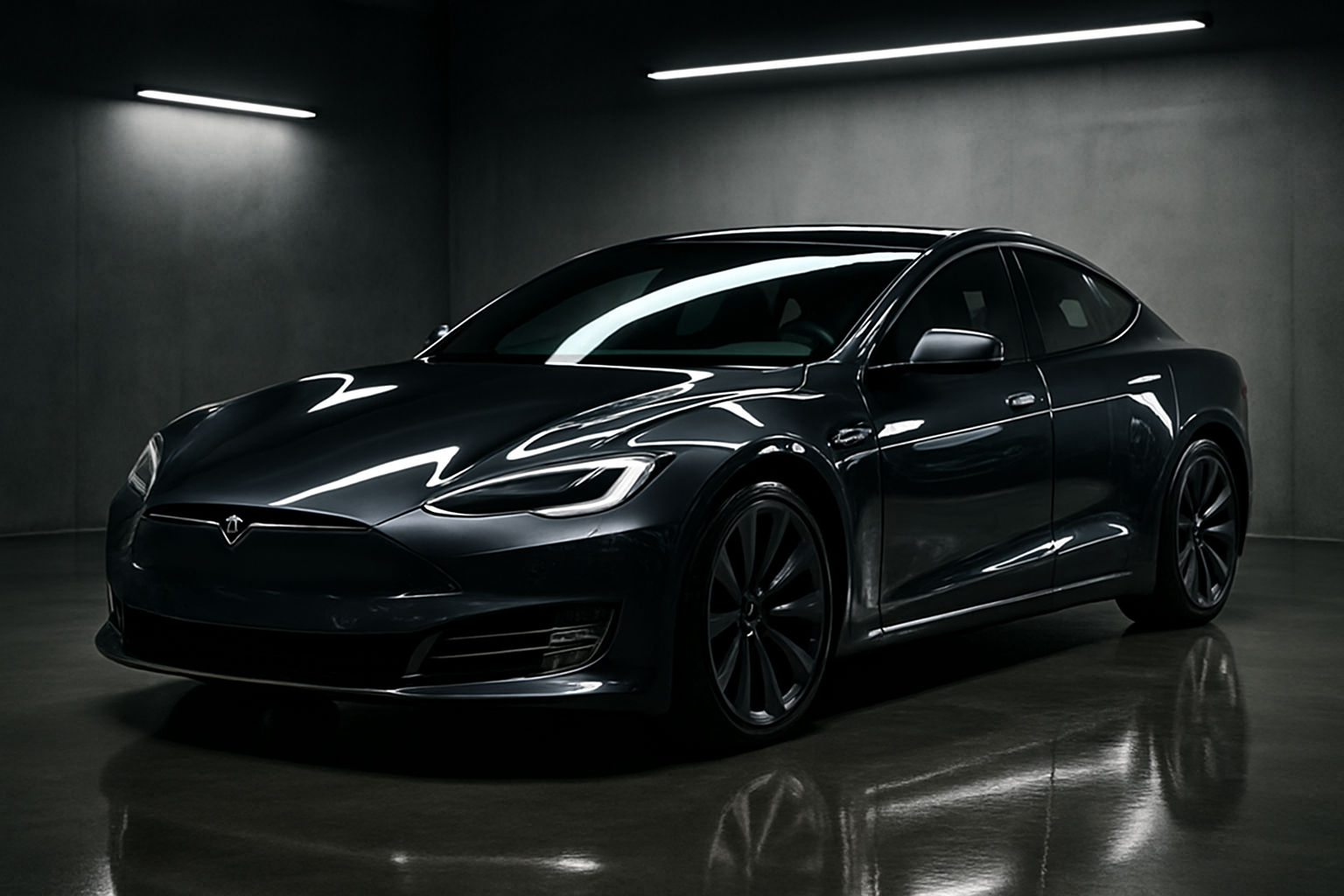
If you drive a Porsche 911 down the 610 Loop or commute in a luxury SUV along I-10, you know the sound: the sharp, sickening "crack" of a rock striking your front bumper. For decades, the only defense against highway debris was a thick, plastic "clear bra." While they stopped rock chips, those early films were notorious for turning yellow, cracking under the Texas sun, and leaving a visible, ugly line across your hood. Many luxury car owners in Tanglewood and Memorial abandoned the idea of film entirely, choosing to risk the rock chips rather than ruin the look of their vehicles.
At Major Detailz, we are here to tell you that the era of the ugly clear bra is officially over. We are now in the age of Ceramic-Infused Paint Protection Film (PPF). Here is the material science behind how modern PPF has evolved from a plastic sticker into an invisible, self-healing forcefield.

1. The End of the "Yellowing" Era
Early films degraded because their adhesives and PVC-based plastics broke down under UV radiation. Modern premium PPF is constructed from aliphatic polyurethane. This advanced thermoplastic polymer is completely optically clear and chemically stable. It does not oxidize or yellow when exposed to UV rays. When properly applied, modern PPF is virtually invisible, allowing the true color and metallic flake of your factory paint to shine through without any "orange peel" texture.

2. The Magic of Self-Healing Elastomers
The most mind-blowing feature of modern PPF is its ability to heal itself. The top layer of the film is made from elastomeric polymers that possess "shape memory." If you wash the car improperly and introduce swirl marks, or if a bush scrapes against your door panel, the damage is strictly confined to the film. When exposed to heat—either from a heat gun or simply parking outside in the Houston summer sun—the polymers rearrange themselves, melting the scratches away and returning to a perfectly smooth, glass-like state.

3. Ceramic Infusion: The Ultimate Two-in-One
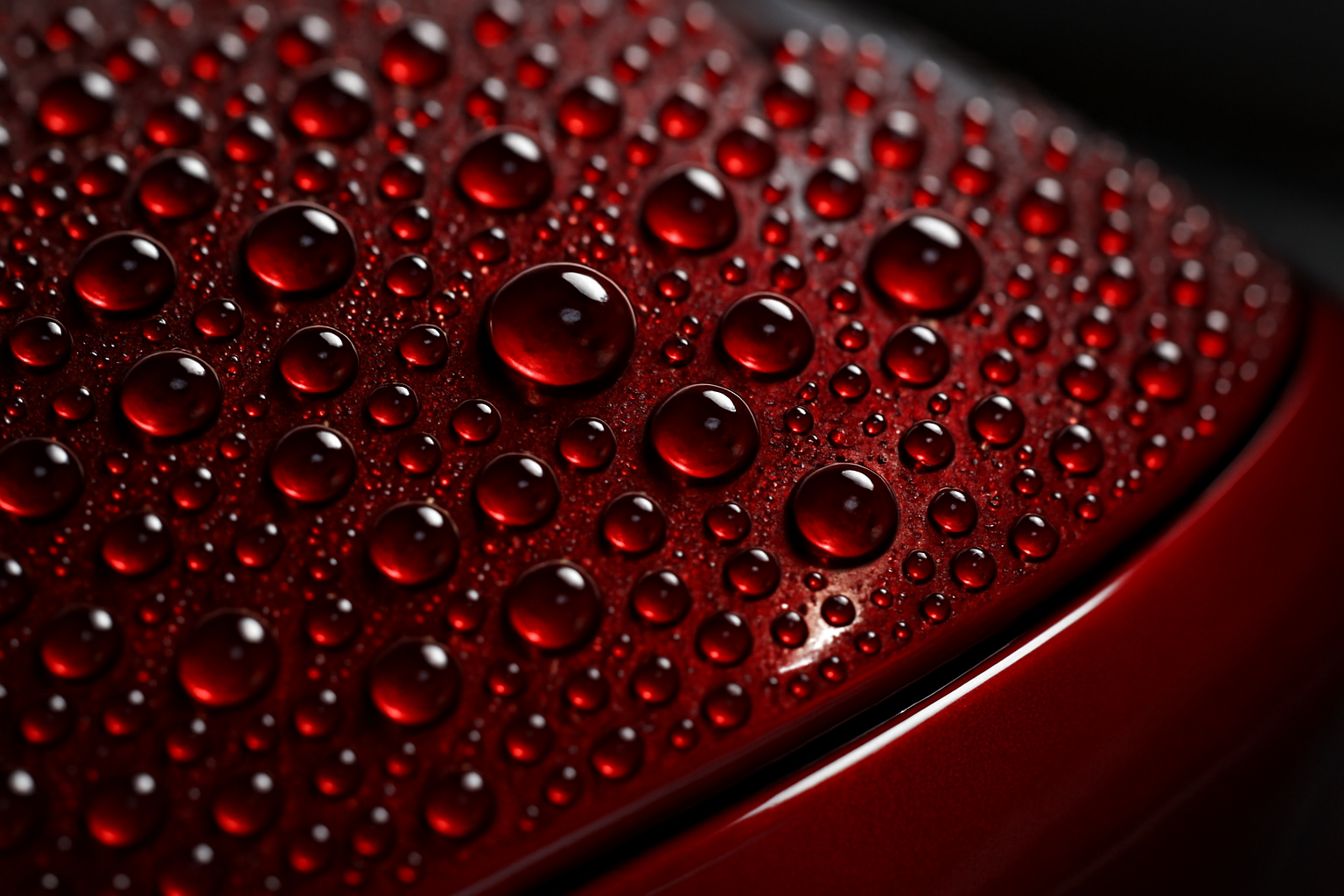
In the past, if you wanted rock chip protection and chemical resistance, you had to install PPF and then pay to have a Ceramic Coating applied over it. Today, the cutting edge of the industry is Ceramic-Infused PPF. During the manufacturing process, a layer of hydrophobic SiO2 (Silicon Dioxide) is bonded directly into the topcoat of the film. This means the film naturally repels water, resists acidic bug guts, and makes washing your vehicle incredibly fast, all while absorbing high-velocity impacts.

4. Kinetic Energy Absorption
Ceramic coatings are fantastic for chemical protection, but they cannot stop a rock. PPF is typically 8 to 10 mils thick (compared to a ceramic coating, which is measured in nanometers). This thickness acts as a shock absorber. When a piece of gravel hits your bumper at 75 mph, the urethane film disperses the kinetic energy, preventing the rock from piercing the color coat of your paint. It is the only true physical armor available for your vehicle.

Armor Your Investment
Your luxury vehicle deserves more than just a wax; it deserves aerospace-grade protection. Major Detailz provides the ultimate surface preparation, decontamination, and maintenance protocols required for flawless Paint Protection Film integration in The Woodlands, Memorial, and Tanglewood.
Contact Major Detailz today to schedule a Paint Protection Consultation and discover the invisible armor your car needs.


