

In the world of luxury automotive care, two terms dominate the conversation regarding protection: Paint Protection Film (PPF) and Ceramic Coating. For many Houston vehicle owners, these terms are often used interchangeably, or there is a misconception that they perform the same function.
As an "Asset-Proud" owner, making the right choice depends on understanding the specific threats you want to mitigate. At Major Detailz, we believe in complete transparency. Here is the definitive breakdown of the differences between these two protective titans.

Paint Protection Film (PPF): The Impact Shield
Paint Protection Film, commonly known as "Clear Bra," is a thick, transparent urethane film applied to the exterior of the vehicle. Its primary function is physical impact resistance.
Think of PPF as a screen protector for your car. It is designed to absorb the impact of rock chips, road debris, and minor scratches that would otherwise chip your paint. If you frequently drive on Houston highways where flying gravel is a constant threat, PPF is the only solution that physically prevents stone chips.

Ceramic Coating: The Chemical Shield
Ceramic Coating is a liquid polymer that chemically bonds to the paint, creating a hard, semi-permanent layer of protection. Its primary function is aesthetic preservation and chemical resistance.
Think of Ceramic Coating as a hardened, "super-wax" on steroids that lasts for years. It excels at:
- [cite_start]
- UV Protection: Crucial for the Texas sun, it prevents oxidation and fading. [cite: 120]
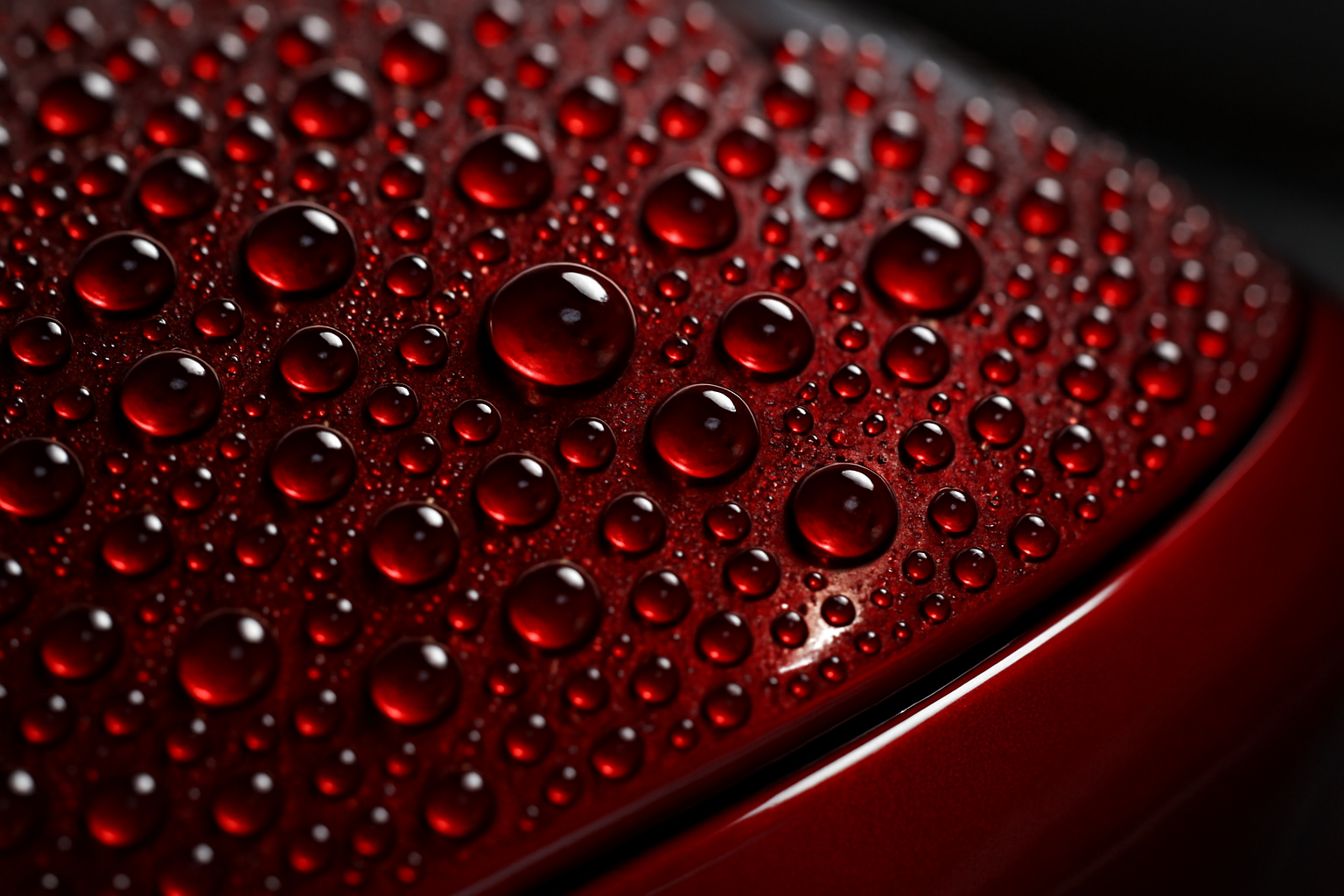
- Hydrophobic Performance: It creates a surface so slick that water and dirt slide right off, making cleaning effortless.
- Gloss Enhancement: It deepens the clarity and richness of your paint, providing that "wet look" shine.
- Chemical Resistance: It protects against bird droppings, tree sap, and acidic rain.

The Critical Distinction
The most common myth we encounter is that a Ceramic Coating will prevent rock chips. It will not. While a ceramic coating is harder than your clear coat and resists fine swirl marks from washing, it does not have the thickness or elasticity to absorb the impact of a rock hitting your bumper at 70 mph.
Which One Is Right For You?
The choice comes down to your priorities:
- Choose PPF if: Your primary concern is rock chips, scratches, and physical damage from highway commuting or track use.
- Choose Ceramic Coating if: Your primary concern is keeping the vehicle looking glossy, protecting it from the sun, and making it incredibly easy to wash and maintain.

The Ultimate Solution: Synergy
For the ultimate protection, many enthusiasts combine both. They apply PPF to high-impact areas (front bumper, hood, mirrors) to stop rocks, and then apply a Ceramic Coating over the entire vehicle (including the film) to provide gloss, UV protection, and ease of cleaning.
Not sure which route is best for your vehicle? Our experts can evaluate your driving habits and recommend the perfect protection package.


