

When you decide to protect your vehicle with a ceramic coating, you are making a significant investment in its future value. Naturally, the first question we hear from our clients in Houston is, "How long will it last?"
You may have seen claims of "lifetime" protection or "permanent" shine. As a brand built on transparency and expertise, Major Detailz believes in setting realistic, professional expectations. Here is the truth about ceramic coating longevity and what you can expect for your vehicle.

The Lifespan of Professional Coatings
Unlike traditional carnauba waxes that melt away in the Texas heat within weeks, a professional ceramic coating creates a semi-permanent, sacrificial layer of SiO2 (silica dioxide) that bonds to your clear coat. Depending on the specific package you choose, a properly applied coating generally lasts between 2 to 5+ years.
However, "lasting" doesn't just mean the coating is physically present; it means it is actively effectively repelling water, dirt, and UV rays.
Factors That Influence Durability in Houston
Your vehicle's environment plays a massive role in the lifespan of its protection. In Houston, we face unique challenges that can accelerate wear if not managed correctly:
- UV Exposure: Our intense sun creates heat cycles that expand your paint's pores. A high-quality coating resists this, but constant outdoor parking can shorten its peak performance life.
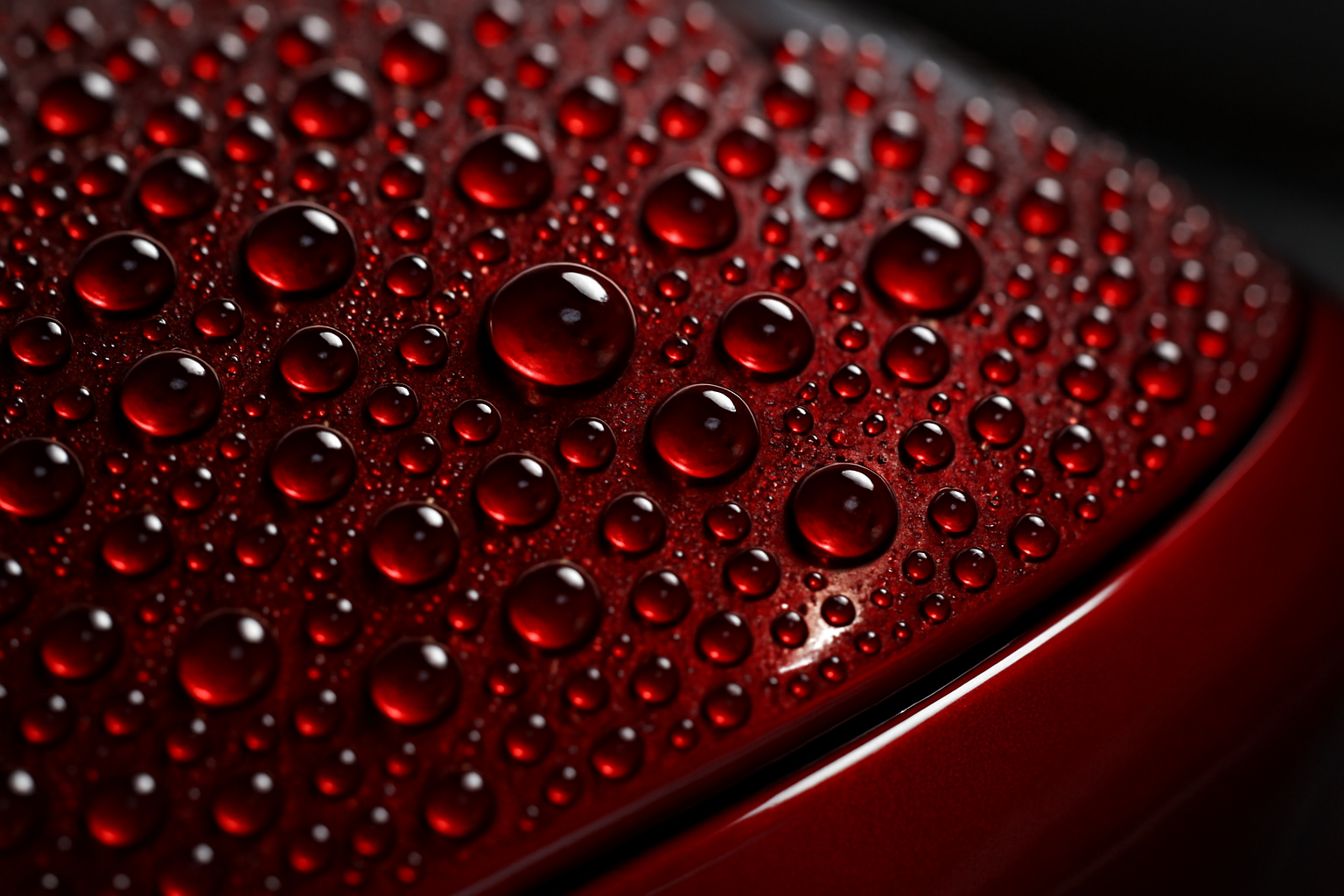
- Road Contaminants: Construction debris, brake dust, and oily road film attempt to clog the coating, masking its hydrophobic (water-beading) properties.
- The Preparation: This is the most critical factor. A coating applied over uncorrected, dirty paint will fail prematurely. Our rigorous Paint Correction and decontamination process ensures the strongest possible chemical bond for maximum durability.

Maintenance: The Key to Longevity
There is a common misconception that a ceramic coating means you "never have to wash your car again." This is false. While the coating makes your car significantly easier to clean, it still requires care to maintain its showroom-quality performance.
Think of it like a tailored suit or a high-end watch; quality assets require maintenance. To ensure your coating lasts its full rated lifespan (or longer), we recommend:
- Regular pH-Neutral Washes: Avoid aggressive automatic car washes that use acidic soaps and abrasive brushes.
- Annual Inspections: A yearly "decontamination wash" helps unclog the coating and restore its hydrophobic slickness.

Is It Worth the Investment?
Absolutely. Even with the maintenance requirement, a ceramic coating offers years of gloss, ease of cleaning, and protection that no wax can match. It is the single most effective way to preserve your vehicle’s resale value against the elements.
Ready to protect your investment for the long haul?


